L-theanine, a naturally occurring amino acid found primarily in green and black tea leaves, has gained widespread attention for its ability to promote relaxation, ease stress, and support better sleep—without the sedative drowsiness often associated with other calming aids. Unlike many supplements that knock you out, L-theanine creates a state of “wakeful calm,” making it popular for daytime stress management and evening wind-down routines.
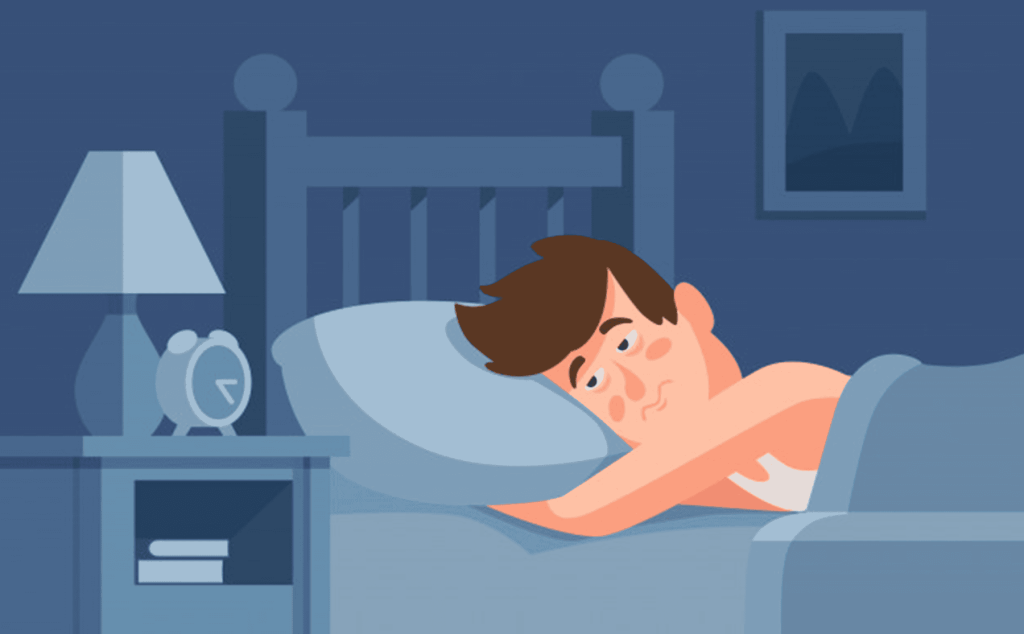
But how exactly does it achieve these effects? The science points to its influence on brain chemistry, neurotransmitters, and brain wave patterns. In this article, we’ll explore the key mechanisms behind L-theanine’s benefits for stress and sleep, backed by research insights.
1. What Is L-Theanine and Where Does It Come From?
L-theanine (γ-glutamylethylamide) is a non-protein amino acid structurally similar to glutamate, the brain’s primary excitatory neurotransmitter. It’s abundant in Camellia sinensis (the tea plant), especially in shade-grown green teas like matcha, where levels are higher due to stress on the plant increasing theanine production.
Once ingested, L-theanine is well-absorbed in the intestines and readily crosses the blood-brain barrier, allowing it to directly influence brain activity within 30–60 minutes. Typical supplement doses range from 100–400 mg, with effects often noticeable at 200 mg.
2. Core Mechanism: Modulating Glutamate and Boosting Calming Neurotransmitters
L-theanine’s primary action stems from its resemblance to glutamate:
- It competes with glutamate for binding to receptors (such as NMDA and AMPA receptors) but acts as a partial agonist or antagonist, reducing excessive excitatory signaling without fully blocking it.
- This dampens overactive glutamate activity, which is linked to stress, anxiety, and racing thoughts.
At the same time, L-theanine promotes the release and activity of inhibitory (calming) neurotransmitters:
- Increases GABA (gamma-aminobutyric acid), the brain’s main “brake” neurotransmitter that quiets neural firing and promotes relaxation.
- Boosts serotonin and dopamine levels, supporting mood balance and a sense of well-being.
- Lowers excitatory chemicals like norepinephrine in stressful situations.
These combined effects create a balanced, less reactive nervous system—reducing the physiological “fight-or-flight” response without causing sedation.
3. Enhancing Alpha Brain Waves for Relaxed Alertness
One of the most studied effects of L-theanine is its ability to increase alpha brain waves (8–12 Hz), as measured by EEG studies.
- Alpha waves are dominant during states of relaxed wakefulness—think meditation, light daydreaming, or the calm focus you feel after a quiet walk.
- Higher alpha activity indicates reduced mental stress and improved selective attention, often described as “calm alertness.”
- Research shows that even a single 50–200 mg dose can significantly boost alpha waves within 40–105 minutes, especially in the frontal brain regions associated with executive function and emotion regulation.
This mechanism explains why L-theanine helps people feel more relaxed under pressure without feeling sleepy—it’s not a depressant but a modulator that shifts the brain toward a peaceful yet attentive state.
4. How These Mechanisms Support Stress Reduction
Chronic or acute stress elevates cortisol, depletes calming neurotransmitters, and heightens excitatory activity—leading to anxiety, tension, and difficulty unwinding.
L-theanine counters this by:
- Reducing subjective stress and anxiety scores in human trials (e.g., lower trait anxiety and improved responses to acute stressors like mental arithmetic tests).
- Lowering physiological markers like salivary cortisol and heart rate variability during stress challenges.
- Promoting resilience: Regular use (e.g., 200 mg/day for weeks) has been linked to decreased depression-like symptoms, better cognitive performance under stress, and overall mood stability.
It’s particularly effective for “situational” stress—helping maintain composure without dulling alertness.
5. How L-Theanine Supports Better Sleep
L-theanine doesn’t act as a direct sedative or hypnotic (it won’t make you drowsy during the day), but it indirectly improves sleep quality through its calming effects:
- By reducing pre-bedtime anxiety and racing thoughts, it shortens sleep latency (time to fall asleep) and decreases nighttime awakenings.
- Enhanced GABA and alpha wave activity promote a smoother transition into restful states, supporting deeper non-REM sleep stages.
- Studies show improvements in sleep metrics like overall quality, reduced disturbances, and less daytime fatigue—especially when stress or mild insomnia is involved.
- It may counteract caffeine’s disruptive effects on sleep when taken later in the day (a common combo in tea).
Recent systematic reviews (up to 2025) confirm modest but consistent benefits for sleep outcomes in stressed individuals, with effects building over consistent use rather than acting as an instant “sleep pill.”
6. Dosage, Timing, and Considerations
- Typical effective dose: 100–400 mg/day; 200 mg is a common research-backed amount for relaxation and sleep support.
- Timing for sleep: 30–60 minutes before bed, often paired with good sleep hygiene.
- Safety profile: Generally well-tolerated with no major side effects reported in studies; it’s non-habit-forming and doesn’t cause next-day grogginess.
As with any supplement, consult a healthcare provider if you have underlying conditions, are pregnant, or take medications (e.g., for blood pressure or stimulants).
Final Thoughts: Why L-Theanine Stands Out for Stress and Sleep
L-theanine works through elegant, multi-pathway mechanisms—balancing excitatory/inhibitory neurotransmitters, boosting alpha waves, and easing stress responses—to foster genuine relaxation. This makes it uniquely suited for modern life: calming the mind without fogging it, and paving the way for better sleep by addressing root causes like anxiety rather than forcing sedation.
While more large-scale research is ongoing, the evidence supports its role as a gentle, evidence-based tool for stress relief and restorative rest.
Have you experienced L-theanine’s effects, perhaps from tea or supplements? Share in the comments—what differences did you notice in your stress levels or sleep?